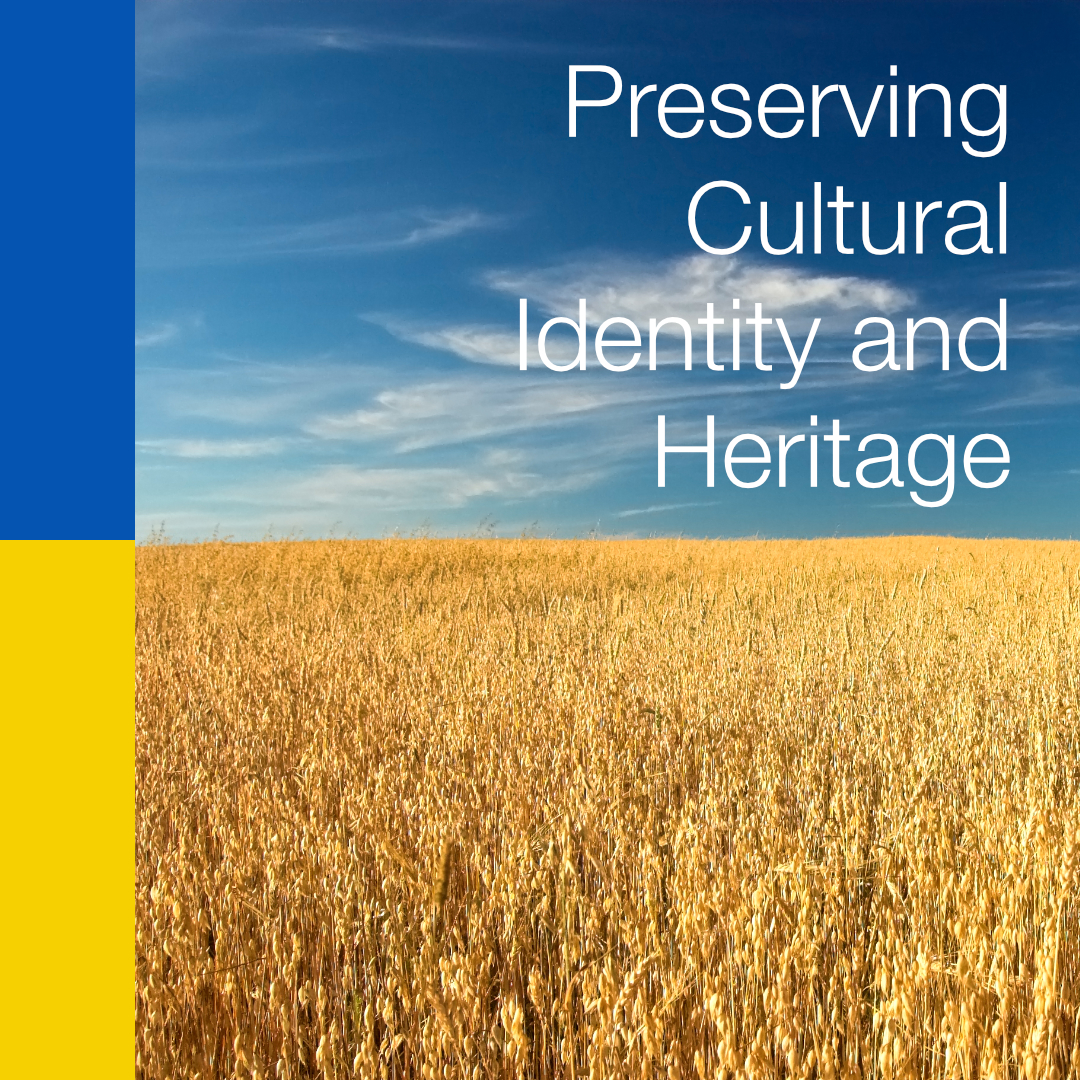
Preserving the cultural identity and heritage of Ukraine from erasure, due to the systematic destruction of Ukraine’s heritage sites and infrastructure by Russia, was the mission-driven theme that attracted Dr. Oksana Yarema to the Internship on Global Digital Citizenship and Digital Cultural Curation of Global Heritage at Hexology. She stepped into the project at the start with an offer to extend the scope of the collaboration between Hexology and King’s College London to include applicants from Ukraine’s prestigious Ternopil Volodymyr Hnatiuk National Pedagogical University. Within days, she built a team of talented content creators from 3 universities across 3 countries, and led them throughout the duration of the 3 month internship.
The calibre of content the team produced is extraordinarily high, their passionate voices and curated perspectives ring loudly.
Some of the posts are moving – shocking, fascinating and even beautiful but at the heart of every post is a factual human story that has been peer reviewed for accuracy by Dean Volodymyr Kitsak, PhD in Historical Sciences, Associate Professor at the Ternopil Volodymyr Hnatiuk National Pedagogical University.
These words kept coming back to me persistently throughout my curatorial work on the Hexology project, emerging as both philosophical anchor and practical truth. Watching young researchers from Ukraine and the UK map their cultural heritage stories and post them into real physical places – museums under attack, forgotten monuments, moments of resilience, mysterious places, folklore masterpieces & prominent people – felt like helping messages in bottles find their shores across digital oceans.
My role encompassed multiple dimensions: pedagogical mentor, scholarly guide, and fellow intellectual voyager. Much of our focus revolved around Ukraine’s endangered cultural heritage – ruined architecture, fragile artefacts, and sites across the country whose preservation has never been more urgent. In this curatorial process, we practiced high-quality research and analysis, with the intention of disseminating Ukrainian contemporary history amongst academic communities and the wider public through mainstream digital media channels. The project’s outputs position Ukrainian voices and cultural narratives on a global stage to engage audiences in a a unique form of public diplomacy.
What I love most is how the platform itself encourages connection: between past and present, between cultures, and between people. This endeavour transcended technical proficiency.
It became a living laboratory of empathy, interdisciplinarity, and creativity, where students developed their own voice and cultivated in valuable digital storytelling skills, but also drive a new form of intercultural dialogue. Their narratives have engaged international audiences, and have created a positive image of Ukraine in the world to ensure that its culture is represented as resilient, dynamic, and deeply human.
Working across institutions – Ternopil National Pedagogical University, (opens in a new tab) King’s College London (opens in a new tab), University of Edinburgh (opens in a new tab) and Hexology – gave our team access to perspectives far beyond the walls of a single university or classroom. It reaffirmed why I believe so strongly in cross-border cooperation: such projects cultivate technical competencies but, more importantly, expand cognitive and cultural horizons. They actively promote interaction with foreign audiences and foster intercultural relations that are vital for Ukraine’s future role in Europe and the world.
I am deeply grateful to Darrel Butlin (opens in a new tab), the founder and CEO of Hexology, whose generous feedback and support helped refine the students’ contributions, and to Dr Gabriele Salciute-Civiliene (opens in a new tab), who facilitated the academic cooperation and students’ engagement. I feel privileged to have been entrusted by both leaders with assembling and leading our international team. Their vision and encouragement were crucial to making the project a success.
Curating the Hexology project was far more than an academic exercise. It’s a living reminder that when students are entrusted with meaningful tools and genuine support, they rise beyond expectations. By giving them the space, skills and confidence to articulate their own narratives – particularly around Ukraine’s vulnerable cultural heritage – we witnessed them carry their culture forward into an increasingly interconnected world. In doing so, they contributed to a broader global tapestry of human experience while strengthening Ukraine’s image internationally.
This initiative has enormous potential to grow, inspire, and serve as a model of how research, education, and cultural diplomacy can intersect to protect and reimagine endangered stories and sites for future generations.
Dr. Oksana Yarema is an Associate Professor of Linguistics at Ternopil Volodymyr Hnatiuk National Pedagogical University in Ukraine and a Visiting Lecturer at King’s College London. LinkedIn (opens in a new tab)
Explore the eight student collections below.
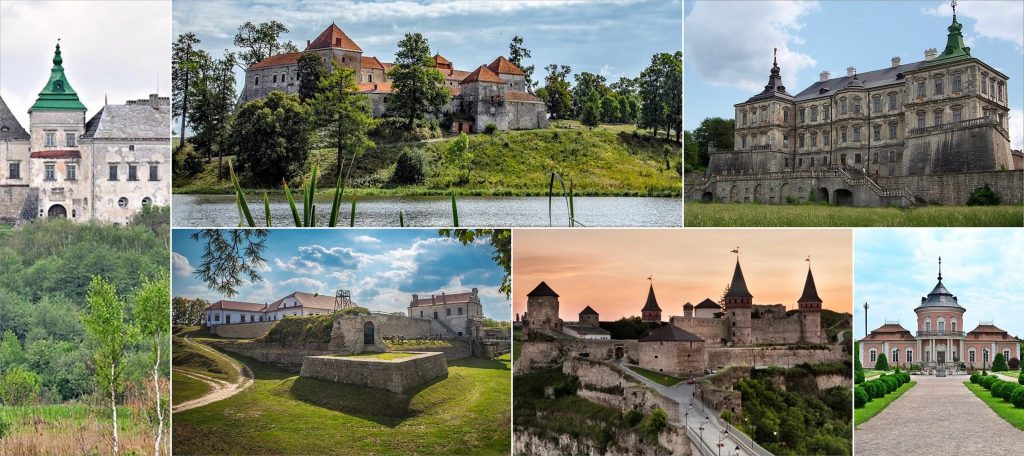
Castles of Western Ukraine, by Bozhena Roman-Yaroshevska
Uncover the history, legends & architectural beauty of some of the most iconic castles in the Western regions of Ukraine
• Ternopil Volodymyr Hnatiuk National Pedagogical University
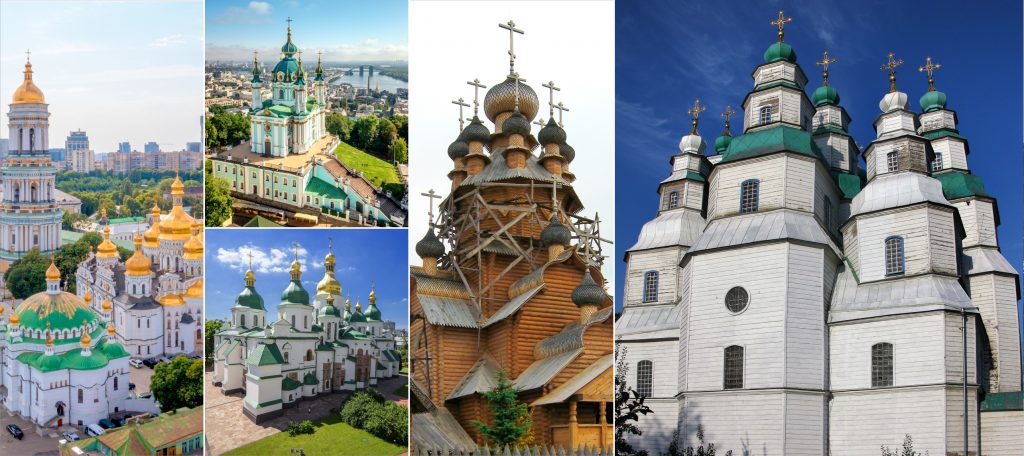
Ecclesiastical Ukraine, by Jamila Lui
Discover Ukraine’s Historic Ecclesiastical Architecture, its Origins, Influences & Cultural Heritage
• King’s College London
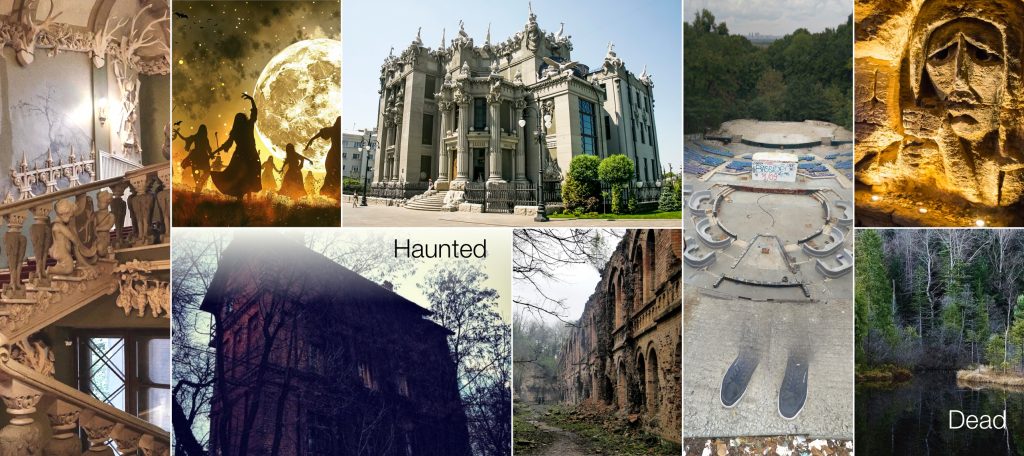
Mysteries of Ukraine, by Khrystyna Kaplan
Uncover Ukraine’s mystical legends, haunted sites & scared lands where folklore, legend & modern urban myths reside
- Ternopil Volodymyr Hnatiuk National Pedagogical University
Ukraine’s Grief, by Runqi Luo
Preserving records to show the destruction of Ukraine’s war-torn infrastructure, culture & heritage, so it is remembered
- King’s College London
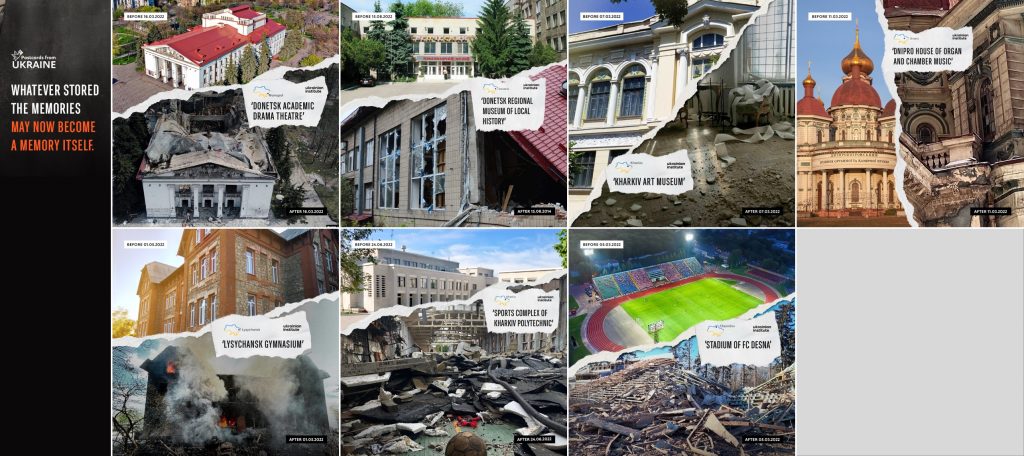
Museums Under Attack, by Viktor Tretiakov
Ukrainian Museums are being targeted, damaged or destroyed by Russian Military Strikes #UkrainianCultureUnderAttack
- Ternopil Volodymyr Hnatiuk National Pedagogical University
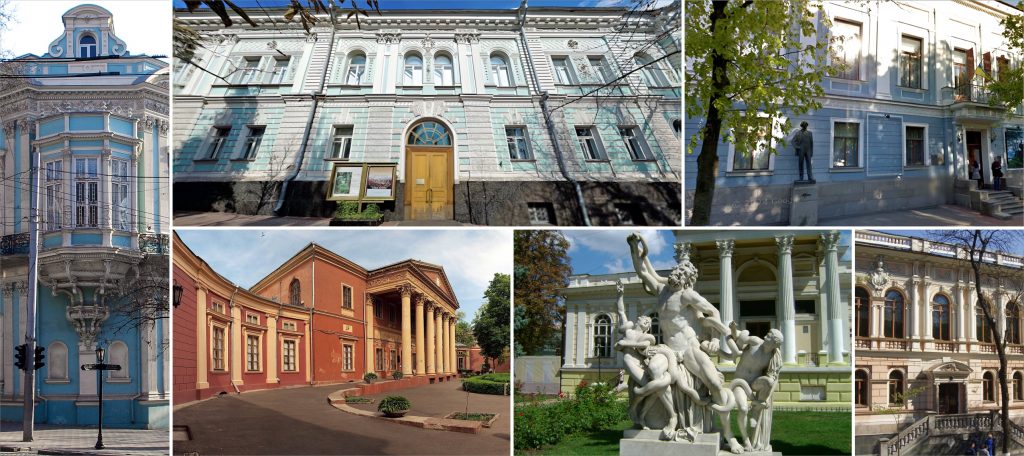
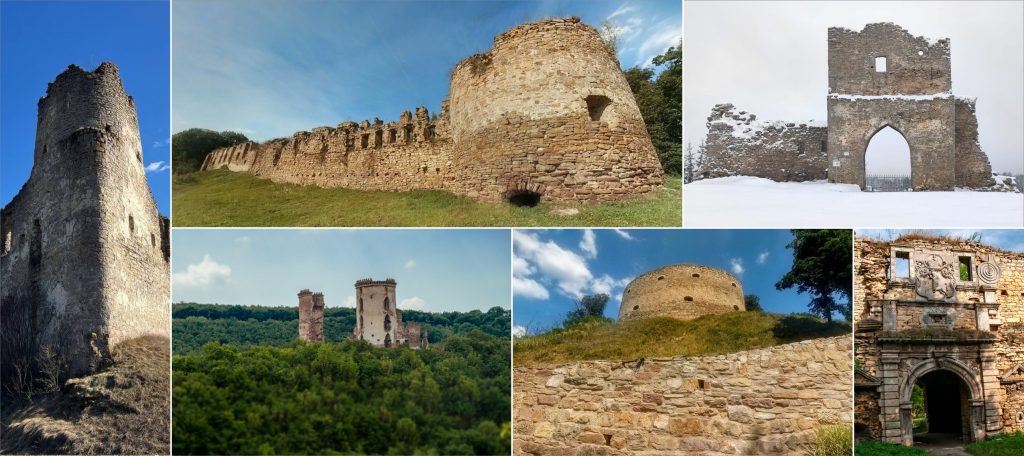
Castles in Ruin, by Yulia Lischenko
Ruins of Historic Medieval Castles, Palaces & Fortresses that once defended the Western borders of Ukraine
- Ternopil Volodymyr Hnatiuk National Pedagogical University
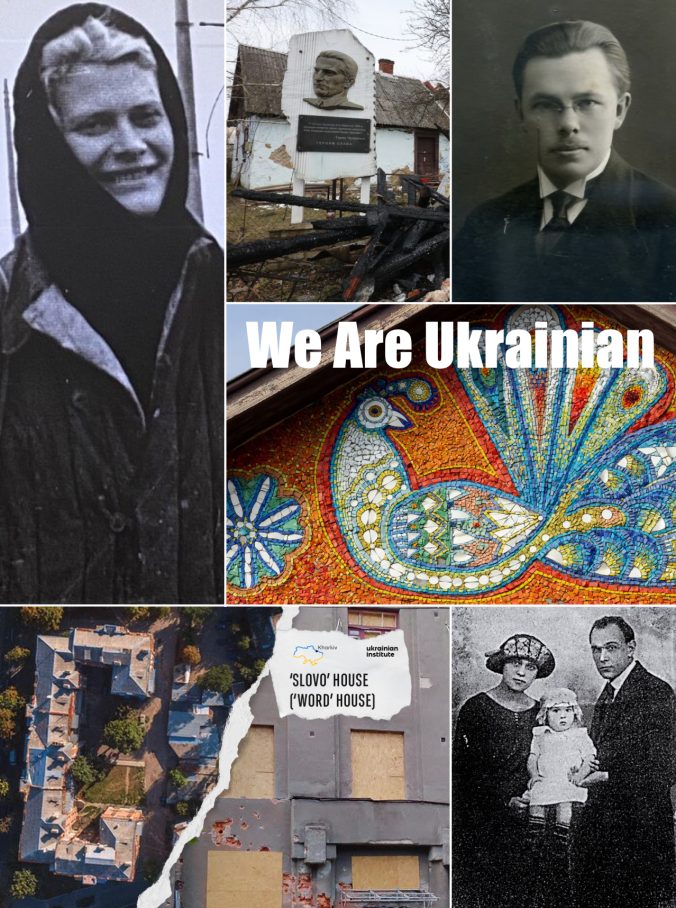
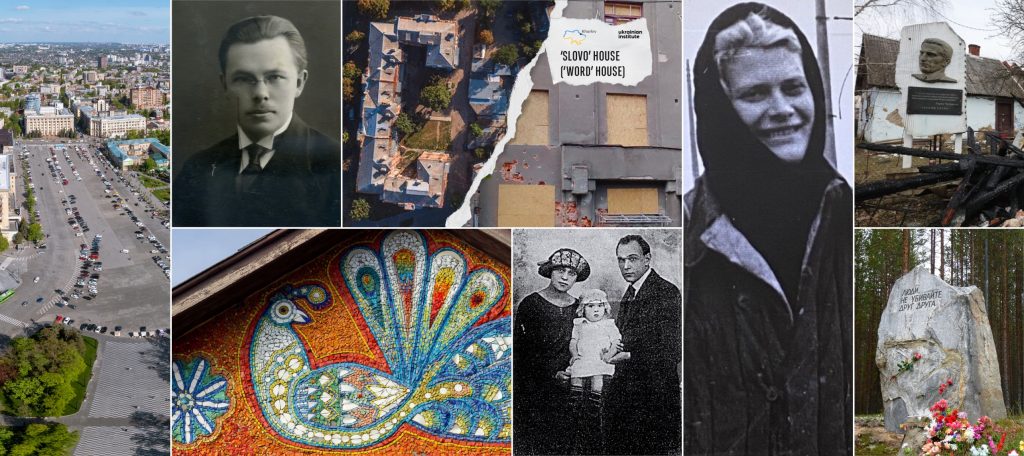
We are Ukrainian, by Yustyna Prystupa
Courage Art & Ukrainian cultural expression in the age of soviet censorship & repression
- Ternopil Volodymyr Hnatiuk National Pedagogical University
Living Folk Culture, by Zhuoying Lei
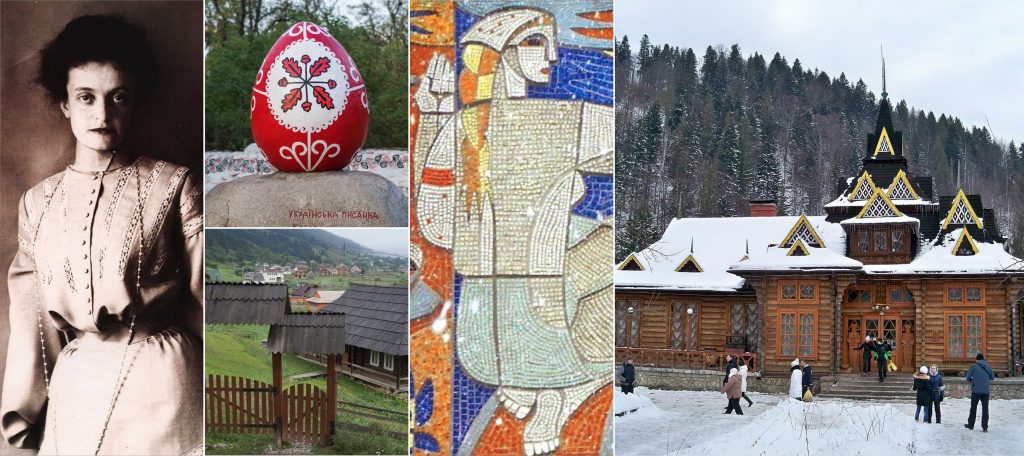
From architecture to crafts, explore Ukraine’s vibrant traditions through folk art, heritage artefacts & local stories
- The University of Edinburgh